 Jun 12, 2026
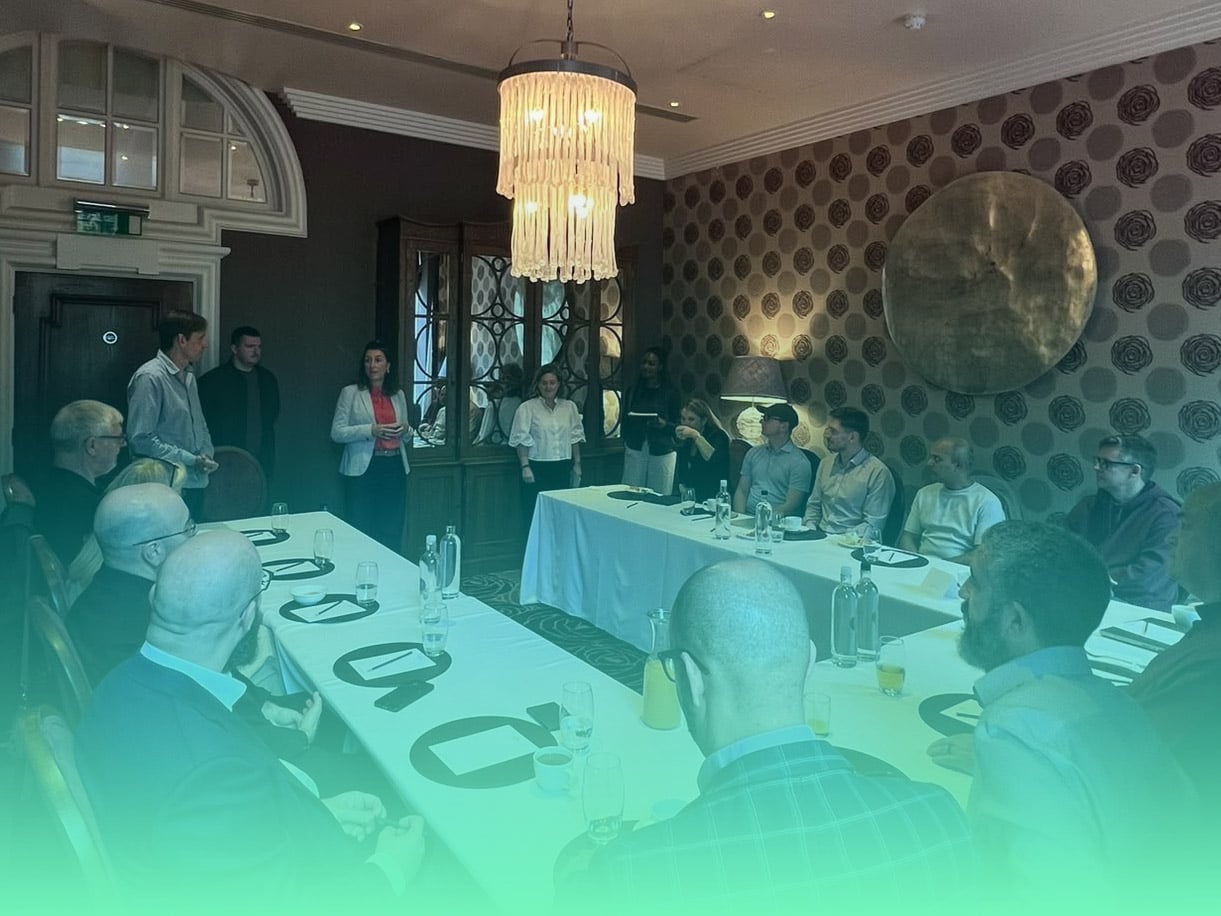
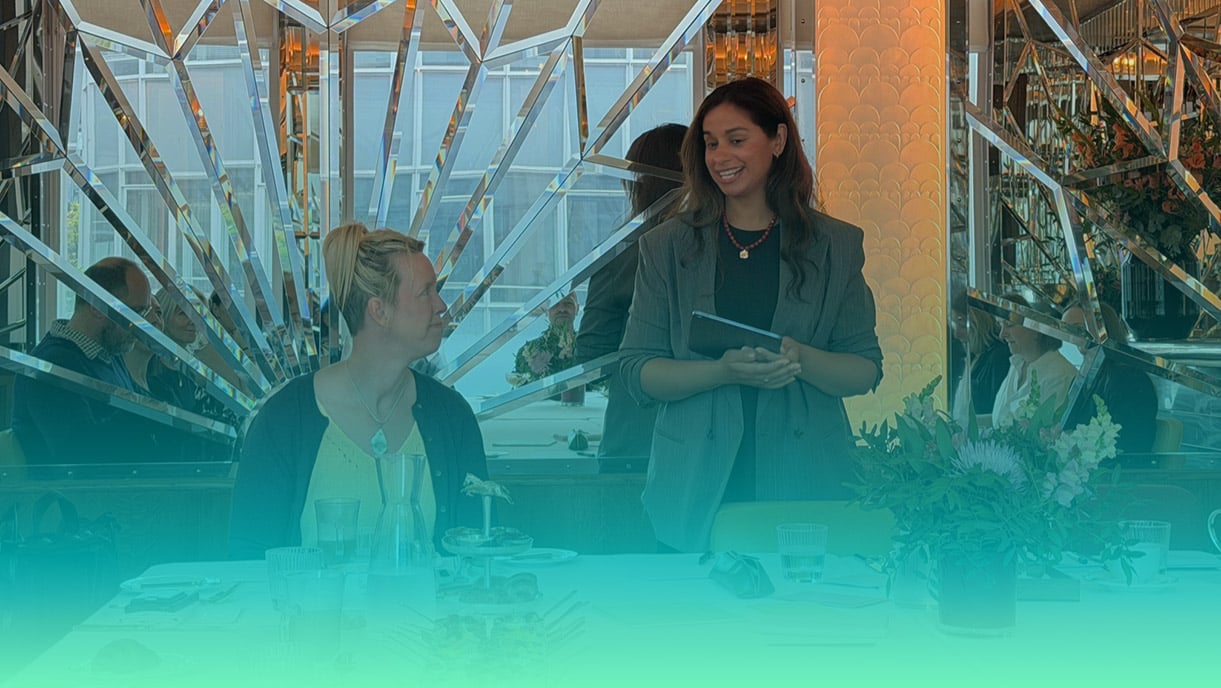
That distinction was the focus when 15 talent and HR leaders from organisations including NTT Data, BT, Nest Pensions, Liaison Group, and Inizio gathered for a breakfast briefing at the Brasserie of Light, Selfridges, on 4th June - facilitated by Kimberly Rowbottom, UK HR Director at employee experience and benefits leader Pluxee, and Louise Herzog, Director at Stott and May and Founder of the South Wales Menopause Community. Almost everyone in the room had a personal story. The brief, though, was deliberately practical: leave with actions and takeaways you can implement.
Why now: the legislative context
The Spring 2027 deadline is on HR leaders' minds. There is a shared sense that further guidance may arrive as large enterprises start making their early submissions over the coming weeks and months, providing an extra level of clarity. The delegates discussed how Menopause Action Plans and broader Equality Action Plans should come together and where there may be crossover. The encouraging takeaway: nobody needs to have all the answers today. The organisations that simply start - learning, iterating, and listening to their employees - will be well placed when the deadline arrives, and ahead of the competition for experienced talent.
Where recruitment and employer brand create invisible barriers
Manager capability emerged as a key consideration. Line managers need support to have the conversation, to understand what symptoms can look like, and to have the confidence to find a route to productivity together. It may look slightly different, but it can be just as effective. Job specs for management roles need to reflect this too, leaving more space for coaching, understanding your team, and recruiting for potential.
Employer branding came under the spotlight, particularly in start-up cultures that can unintentionally signal mid-life talent isn't the target audience. The warning was clear: inclusion cannot be performative - if the experience inside the business differs from the brand outside it, the only result is attrition. Clear career pathways and mentoring keep mid-career women part of the journey, while consulting businesses face an added layer of complexity: balancing genuine flexibility against utilisation pressures and client-site cultures.
What if we treated menopause like any other tracked inclusion area?
The most actionable thinking came from one question: what would we change if menopause were tracked like gender or ethnicity? In interviews, it starts with adjustments - if a candidate will perform better in the afternoon than the morning, it's important to put them in the best position to succeed. The topic needs to be brought into the open, particularly when hiring people managers. "Have you ever had menopause training?" or "Tell me about a time when you've got the best out of a team member?" won't dominate an interview, but they signal what your culture values. At onboarding, make your policies visible to everyone - men included, because they have a genuine part to play.
On benefits, get to grips with your employee data and target your approach. Private medical provision can make access to HRT more straightforward, but support can also be more practical. Office massages or cold water swimming team-building events open up some interesting angles to manage menopausal symptoms. Build feedback loops into engagement surveys to make inclusion employee-led, champion ERGs as both a source of support and a driver of policy and EVP, and beware training fatigue: one organisation ran a "Wellbeing Festival" to educate and drive engagement, with no mandatory modules or e-learning in sight.
The real cost of losing women at peak experience
The biggest cost named in the room was the institutional knowledge - the IP - that walks out of the door when mid-to-senior women exit, followed by rehiring and retraining costs that many businesses struggle to quantify. Tellingly, the organisations that have quantified it are the ones leaning hardest into this issue. Exit interviews matter, but only if a culture of openness was built long before that point - which means getting menopause on the agenda, building community through ERGs, signposting policy and benefits clearly, and ensuring HR is asking, listening, and responding.
"The common thread across every idea was that regardless of gender or where people are in the employee lifecycle - we need to create an environment where people feel comfortable having the conversation."

Louise Herzog
Director
Two important things to take away
1. Get menopause into the conversation. Create a culture of openness across the employee lifecycle, and give managers the confidence and capability to support their teams.
2. Don't bite off too much. Pick two or three initiatives and do them really well. A focused plan that genuinely changes the employee experience will beat a sprawling policy document every time - including in the eyes of the regulator come 2027.
Our thanks to Kimberly Rowbottom and Louise Herzog for facilitating such an open and practical discussion, and to every leader who brought their experience to the table.
If you'd like to get information on how to build more inclusive recruitment processes, then book a hiring 1-2-1 with our team today.